A Guide to Making Authentic Spanish Tapas at Home
Table Of Contents
Exploring Seafood Tapas
Seafood tapas offer a delightful introduction to the rich flavours of Spanish cuisine. Gambas al ajillo, for instance, showcases succulent prawns sautéed with aromatic garlic and a drizzle of olive oil. This dish not only highlights the freshness of the seafood but also embodies the simplicity that characterises authentic Spanish cooking. The combination of garlic and olive oil creates a fragrant base that elevates the prawns, making them irresistible for any seafood lover.
Another standout in the seafood tapas realm is fried calamari, which delivers a crispy texture complemented by a squeeze of lemon. The dish is typically served with a garlic aioli that adds an extra layer of flavour. Each bite captures the essence of coastal Spain and brings a taste of the Mediterranean right to your dining table. With these selections, one can easily appreciate the variety of seafood influences within the tapas tradition.
Cooking Shrimp in Garlic and Olive Oil
Fresh prawns are essential for this dish, with their sweet taste enhancing the flavours of garlic and olive oil. Start by selecting high-quality, uncooked shrimp. Their vibrant colour indicates freshness, and they should smell briny and clean. A quick rinse under cold water removes any unwanted grit. Once prepared, pat them dry to ensure a nice sear during cooking.
In a hot pan, drizzle a generous amount of olive oil. Add thinly sliced garlic and let it sizzle to release its aroma. The key is not to burn the garlic, as it can turn bitter. When the oil is infused, toss in the shrimp, cooking them just until they turn pink and opaque. A sprinkle of sea salt and a touch of freshly cracked pepper enhance the dish, elevating the simple yet delicious combination of flavours.
Vegetarian Tapas
Vegetarian tapas offer a wonderful opportunity to explore a variety of flavours and textures. Among the simplest yet most delicious options are pimientos de padrón. These small green peppers are typically fried in olive oil until blistered and seasoned generously with sea salt, creating a delightful contrast between their smoky exterior and tender interior. The beauty of this dish lies in the surprise factor; while most peppers are mild, occasionally one will pack a surprising punch, adding an element of excitement to the tasting experience.
Another popular vegetarian choice is patatas bravas, which feature crispy potatoes smothered in a zesty tomato sauce and alioli. The combination of crunch and creaminess makes this dish an irresistible addition to any tapas spread. Other vegetable options such as grilled zucchini, artichokes, and marinated olives provide a great balance on the table. Each dish can be prepared with a distinct marinade or spice blend for added depth, ensuring that the vegetarian platter is just as satisfying and noteworthy as its meat counterparts.
Roasting Peppers for a Delightful Snack
The vibrant Pimientos de Padrón are small green peppers, a staple in Spanish cuisine, known for their delightful mix of flavours. To prepare them, simply heat a drizzle of olive oil in a pan over medium heat. Once the oil is hot, add the peppers and let them sizzle. It’s essential to keep an eye on them as they cook, allowing them to blister and soften while maintaining a slight crunch. This technique enhances their natural sweetness, making them an irresistible snack.
Once the peppers are perfectly roasted, season them generously with sea salt. This enhances their flavour and complements the smokiness developed during cooking. Serve them warm as part of your tapas spread. Their bite-sized nature makes them ideal for sharing, encouraging a communal dining experience. Enjoying these peppers is a simple pleasure, as their mild heat is often a delightful surprise for those unacquainted with them.
The Art of Building a Tapas Platter
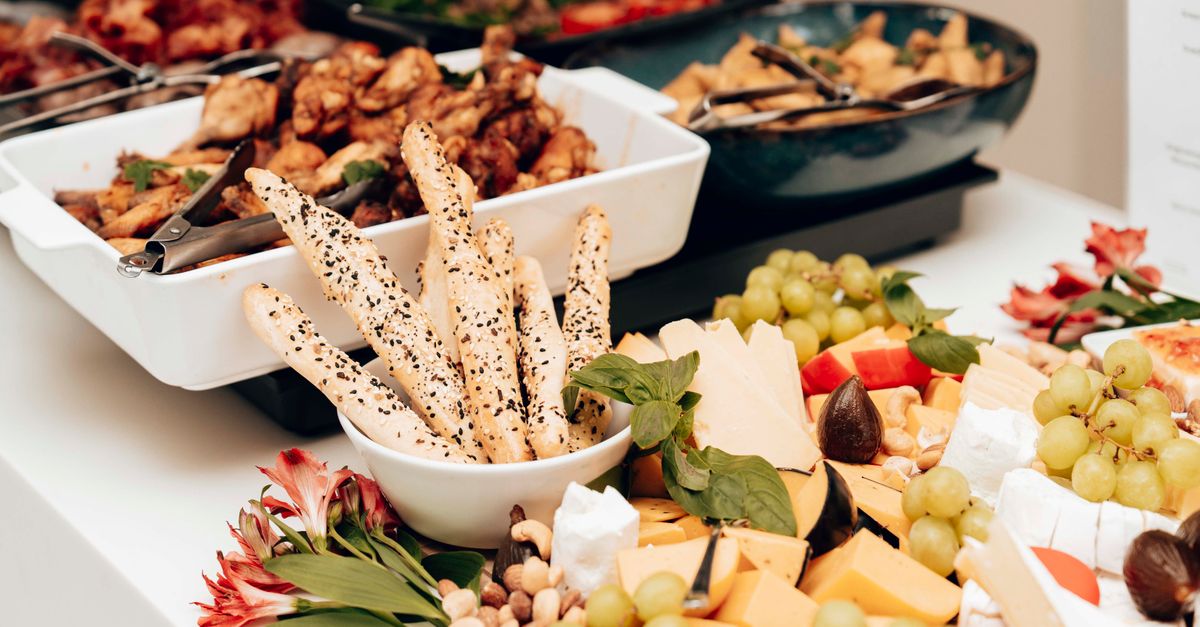
Creating a well-balanced tapas platter involves an array of flavours, textures, and colours. Begin by selecting a variety of items, including proteins, vegetables, cheeses, and breads. Consider including elements like marinated olives, smoky chorizo, or grilled vegetables to add intrigue. An assortment of cheeses can bring creaminess, while crusty bread or crackers will offer a satisfying crunch. Aim for a mix that appeals to different tastes, ensuring that your guests will find something they love.
Presentation plays a crucial role in enhancing the overall experience. Use a large wooden board or a vibrant platter to arrange your chosen items artistically. Group similar flavours together, but allow for contrast by placing a spicy item next to something rich or creamy. Garnishes such as fresh herbs or edible flowers can elevate the visual appeal. Remember, part of the joy of tapas is sharing, so ensure that everything is easy to reach for everyone at the table.
Combining Flavours and Textures for a Memorable Experience
Creating a captivating tapas platter involves thoughtful selection and balance. Start by introducing a variety of flavours, such as salty olives, tangy anchovies, and creamy cheeses. This combination allows guests to experience a medley of tastes that can surprise and delight the palate. Aim for a mix of bold and subtle flavours to create a dynamic dining experience. Incorporating a range of textures, from crispy to creamy, adds further dimension to the platter.
Textures play a significant role in elevating your tapas experience. Consider including crunchy vegetables like carrot and cucumber sticks alongside smooth hummus or tangy tzatziki. Add some fried or roasted items, such as patatas bravas or crispy croquettes, to provide a satisfying crunch. The juxtaposition of different textures encourages engagement and enhances the overall enjoyment of the meal. This careful interplay invites diners to explore the various offerings while fostering an atmosphere of conviviality and shared discovery.
FAQS
What are tapas?
Tapas are small savoury dishes or appetisers in Spanish cuisine, often served with drinks. They can be made from a variety of ingredients, including seafood, vegetables, and meats.
How can I make Gambas al Ajillo at home?
To make Gambas al Ajillo, you'll need fresh shrimp, garlic, olive oil, and a touch of chilli. Simply sauté the garlic in olive oil, add the shrimp, and cook until they turn pink. Season with salt and serve hot.
What are Pimientos de Padrón, and how do I prepare them?
Pimientos de Padrón are small green peppers from Spain, known for their mild flavour. To prepare them, simply roast or fry the peppers until blistered, then sprinkle with sea salt before serving.
How do I build a tapas platter?
To build a tapas platter, combine a variety of dishes such as seafood, meats, cheeses, and olives. Aim for a mix of flavours and textures, ensuring you have both hot and cold items for a balanced experience.
Can tapas be served as a main meal?
Yes, tapas can certainly be served as a main meal. Simply increase the variety and quantity of dishes to create a more substantial spread that can satisfy larger appetites.
Related Links
How to Pair Wines with Your Favourite Spanish TapasExploring the Art of Spanish Tapas in Sydney's Culinary Scene
Finding Authentic Ingredients for Spanish Tapas in Sydney
Innovative Twists on Traditional Spanish Tapas
Tapas and Social Dining: The Spanish Tradition Explained
Crafting the Perfect Tapas Platter for Your Next Gathering
Vegetarian Tapas: A Taste of Spain for Everyone