Vegetarian Tapas: A Taste of Spain for Everyone
Table Of Contents
Serving Suggestions for Tapas
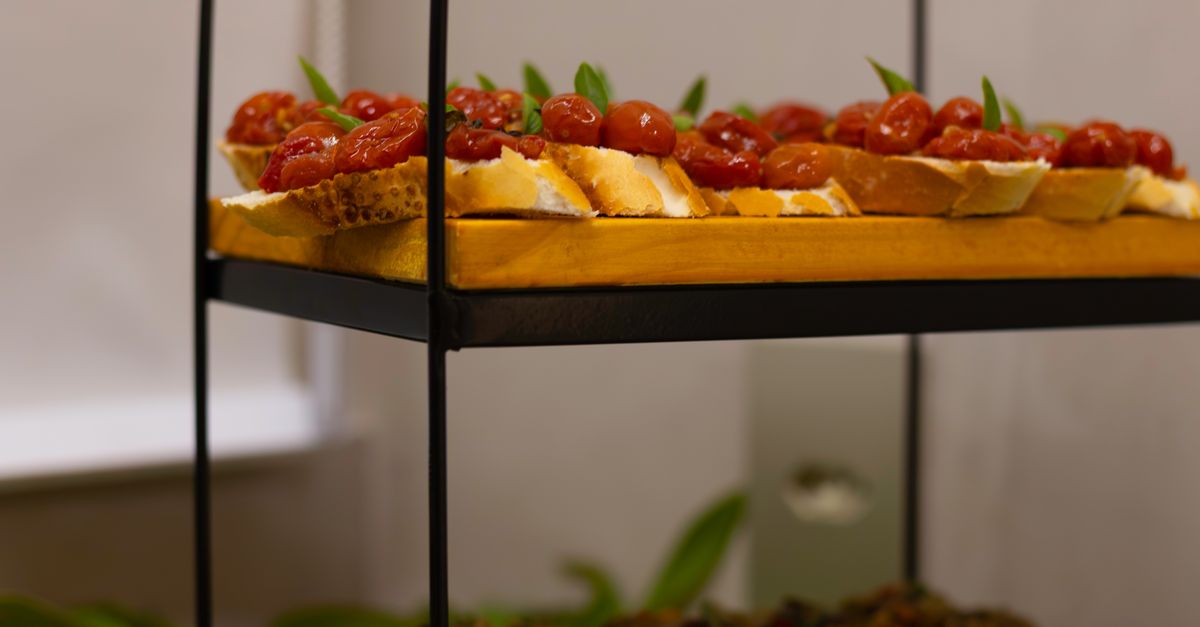
Creating an inviting atmosphere for serving tapas can enhance the overall dining experience. Use a large wooden board or platter to display an assortment of dishes. Include vibrant colours from fresh vegetables and herbs to catch the eye. Small dishes can be clustered together to create a visual feast. Pair them with small plates or bowls, allowing guests to choose their favourites and return for more.
Considering the communal nature of tapas, it’s ideal to provide plenty of napkins and toothpicks. This encourages a casual, social dining atmosphere where people can mingle and share. Offering a selection of drinks that complement the flavours of the food can elevate the experience. Choose light wines or refreshing homemade beverages like sangria to balance the richness of the dishes.
Optimal Presentation and Arrangement
An inviting presentation can enhance the experience of enjoying vegetarian tapas. Using a variety of colourful ingredients not only adds visual appeal but also entices the palate. Small wooden boards or rustic ceramic plates work well for an authentic feel. Consider using different shapes and sizes of dishes to create an engaging display. Herbs can be used as garnishes for an extra pop of colour and flavour.
Arranging the tapas in a thoughtful manner is crucial to creating an appealing spread. Place larger dishes at the back and smaller items in front to ensure every dish is visible. Balance the colours and textures across the table to stimulate interest. Incorporating small bowls for dips and sauces can add to the aesthetic while keeping everything organised. Ultimately, presentation can elevate the enjoyment and encourage guests to explore the variety of flavours available.
Tapas for Special Dietary Needs
Adapting vegetarian tapas to cater for special dietary needs can certainly enhance the dining experience. For those with gluten intolerance, options like roasted peppers stuffed with quinoa or grilled courgettes drizzled with olive oil can provide satisfying alternatives. Additionally, using chickpea flour, one can create delectable fritters or socca that fit perfectly into a gluten-free menu.
For vegans, traditional ingredients such as cheese can be replaced with nut-based spreads or creamy avocado dips. Tapas like marinated olives, fresh tomato bruschetta, or spiced sweet potato bites not only cater to vegan needs but also showcase the vibrant flavours associated with Spanish cuisine. Customising these dishes ensures every guest feels included, expanding the appeal of vegetarian tapas across various dietary preferences.
Inclusive Options for Various Lifestyles
Vegetarian tapas can cater to a wide range of dietary preferences, ensuring everyone can indulge without compromising their lifestyle choices. For those following a plant-based diet, dishes such as roasted vegetable skewers and chickpea salad provide hearty yet wholesome options. Gluten-free diners can enjoy an assortment of marinated olives and patatas bravas, ensuring they don’t miss out on traditional flavours while adhering to their dietary needs. Creative presentations can elevate these dishes, allowing for a visually appealing experience that delights the senses.
Incorporating health-conscious options into the tapas spread can also attract those seeking lighter fare. Smooth hummus served alongside vegetable crudités offers a nutritious choice, while fresh fruit skewers provide a sweet, natural dessert alternative. It’s important to label dishes clearly, as this helps guests identify ingredients easily, especially for those with allergies or specific preferences. By considering various lifestyle requirements, the tapas experience becomes more inclusive, allowing for a communal gathering where everyone can enjoy a diversity of tastes.
Exploring Regional Variations
Spain's diverse regions bring a rich tapestry of flavours to vegetarian tapas. In Catalonia, you might find escalivada, a smoky dish made from roasted eggplant, capsicum, and tomatoes, often served with a drizzle of olive oil. The Basque Country offers pintxos, which can feature a variety of vegetarian ingredients like marinated mushrooms, roasted peppers, and artisanal cheeses, all served on a skewer for easy eating. These regional specialties highlight local produce and culinary traditions, making each bite a unique experience of Spain’s vibrant food culture.
Moving south, Andalusia showcases its own variations with dishes like salmorejo, a chilled tomato soup garnished with hard-boiled eggs and olives, perfect for warm climates. In the Valencia region, the classic espinacas con garbanzos combines spinach and chickpeas, infused with spices that evoke the essence of Mediterranean cuisine. Each region not only offers distinct flavours but also reflects the history and lifestyle of its people, inviting everyone to explore the culinary personality of Spain through vegetarian tapas.
Unique Tapas from Different Parts of Spain
Spain’s diverse regions each boast unique flavours and ingredients that contribute to their distinct tapas. In the northern region of Galicia, for instance, empanadas filled with local seafood are very popular. These savoury pastries often feature combinations of prawns and octopus, reflecting Galicia's rich maritime influence. Moving south to Andalusia, one can find salmorejo, a refreshing cold tomato soup served with hard-boiled eggs and jamón. This dish encapsulates the essence of summer, offering a vibrant taste of the Mediterranean.
In the Basque Country, pintxos are a celebrated tradition where small snacks are skewered with toothpicks, combining various toppings like pickled vegetables, seafood, and meats. These delightful bites invite a social experience as locals and visitors stroll from bar to bar, enjoying the lively atmosphere. Meanwhile, in Catalonia, one might come across escalivada, a smoky roast vegetable dish made from eggplant, bell peppers, and onions, seasoned with olive oil. The use of regional ingredients not only showcases Spain's culinary richness but also highlights the local customs and gatherings associated with these flavours.
FAQS
What are vegetarian tapas?
Vegetarian tapas are small dishes or snacks from Spanish cuisine that do not contain meat or fish, showcasing a variety of vegetables, legumes, and grains.
How can I serve vegetarian tapas for a gathering?
You can serve vegetarian tapas by arranging a selection of dishes on a large platter or individual plates, ensuring a mix of flavours and textures. Consider pairing them with bread, olives, and a selection of dips.
Are there vegetarian tapas options for those with gluten intolerance?
Yes, there are many gluten-free vegetarian tapas options, such as grilled vegetables, patatas bravas (spicy potatoes), and chickpea salad. Always check labels and ask about ingredients when dining out.
What are some regional variations of vegetarian tapas in Spain?
Different regions in Spain offer unique vegetarian tapas, such as escalivada (roasted vegetables) from Catalonia, pimientos de padrón (fried green peppers) from Galicia, and gazpacho (cold soup) from Andalusia.
Can vegetarian tapas be enjoyed by non-vegetarians?
Absolutely! Vegetarian tapas are delicious and flavourful, making them a great choice for everyone, regardless of dietary preferences. They can provide a delightful tasting experience alongside traditional meat or seafood dishes.
Related Links
Crafting the Perfect Tapas Platter for Your Next GatheringThe History and Cultural Significance of Tapas in Spain
Finding Authentic Ingredients for Spanish Tapas in Sydney
Innovative Twists on Traditional Spanish Tapas
Tapas and Social Dining: The Spanish Tradition Explained
The Best Tapas Bars to Experience in Sydney
How to Pair Wines with Your Favourite Spanish Tapas
A Guide to Making Authentic Spanish Tapas at Home
Exploring the Art of Spanish Tapas in Sydney's Culinary Scene