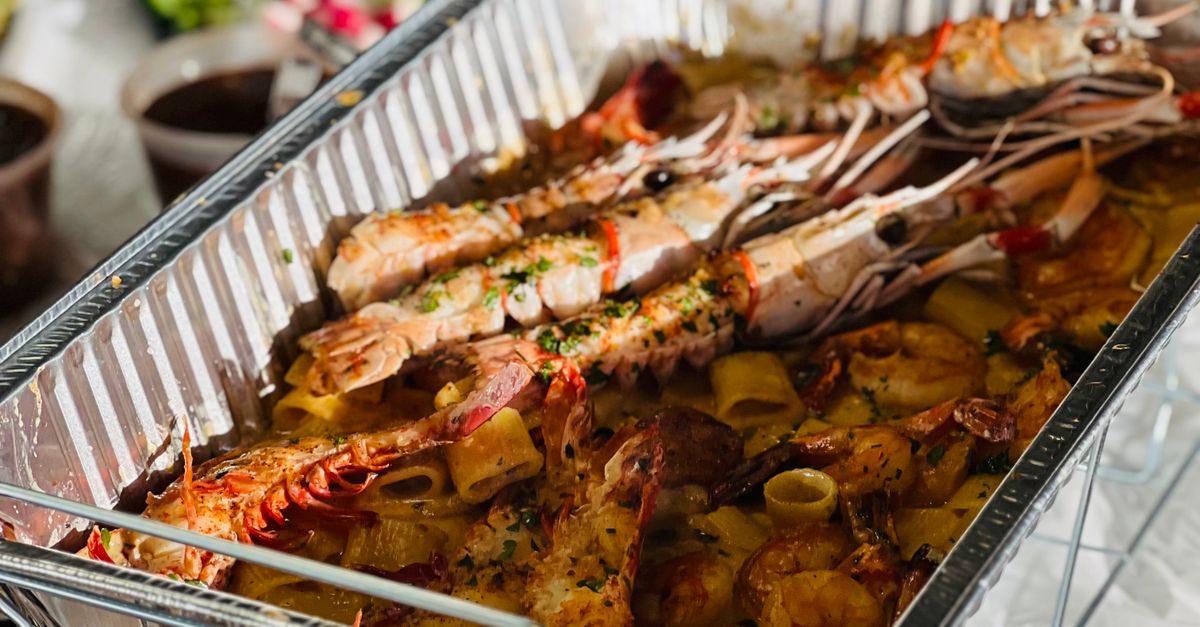
Dairy-Free Spanish Cuisine for Special Diets
Table Of Contents
Incorporating Fresh Produce in Dairy-Free Spanish Meals
Fresh produce serves as the backbone of many dairy-free Spanish meals, offering vibrant flavours and essential nutrients. Seasonal fruits and vegetables not only enhance the taste but also contribute to a colourful presentation on the plate. When preparing dishes like gazpacho, ripe tomatoes and crisp cucumbers are a must, while roasted peppers and eggplants add depth and richness to hearty stews. Incorporating locally sourced ingredients can elevate the meals while promoting the use of sustainable practices.
Exploring the variety of fresh produce available throughout the year can spark creativity in the kitchen. Spring brings an abundance of asparagus and artichokes, perfect for light, invigorating dishes. In contrast, autumn offers the warmth of squashes and pumpkins that lend themselves beautifully to comforting recipes. Utilising these seasonal ingredients can create a connection to the land and produce a menu that reflects the diverse culinary landscape of Spain, all while keeping it dairy-free.
Seasonal Ingredients That Shine
Utilising fresh, seasonal produce can enhance the flavours of dairy-free Spanish dishes significantly. In spring, vibrant ingredients like asparagus and artichokes come into play, lending a touch of brightness to risottos and stews. Summer offers an abundance of ripe tomatoes, peppers, and eggplants, perfect for creating rustic ratatouilles or gazpacho. Autumn brings in earthy roots like squash and sweet potatoes, which can add a rich depth to traditional dishes, while winter heralds leafy greens such as kale and hearty legumes, ensuring warmth during the colder months.
Incorporating local and seasonal vegetables not only supports sustainable practices but also allows for creative culinary exploration. With ingredients changing throughout the year, cooks can adapt classic recipes to embrace flavours that are at their peak. For example, substituting seasonal vegetables in a paella not only highlights the diverse produce of each season but also invites a fresh take on this iconic dish. Emphasising these seasonal ingredients helps maintain a diverse and satisfying dairy-free Spanish diet while celebrating the natural bounty available in each season.
Flavor Profiles in Dairy-Free Spanish Dishes
The essence of Spanish cuisine lies in its bold and vibrant flavours, even when adapting recipes to fit a dairy-free lifestyle. Paprika, a staple spice, infuses dishes with warmth and depth, while saffron, though used sparingly, offers a luxurious floral note that elevates paellas and stews. Garlic is another cornerstone, providing aromatic richness that enhances everything from roasted vegetables to succulent marinades. The use of fresh herbs like parsley and cilantro adds brightness, ensuring that each dish remains lively and interesting without the inclusion of dairy.
Olive oil serves as the backbone for many traditional Spanish recipes. Its rich, fruity profile complements both savoury and sweet ingredients. Incorporating ripe, seasonal tomatoes adds a natural sweetness to sauces and salads, while piquant olives offer a tangy contrast. Nuts, such as almonds and hazelnuts, provide creaminess in dairy-free alternatives, making them an essential part of dips and sauces. Together, these components work harmoniously to create a satisfying culinary experience that respects the heart of Spanish cooking while catering to specific dietary needs.
Exploring Spices and Herbs Used in Spanish Cuisine
Spanish cuisine is renowned for its bold flavours, achieved largely through the strategic use of spices and herbs. Saffron, a quintessential ingredient, adds a distinct golden hue and a rich aroma to dishes. Paprika, derived from dried peppers, can vary from sweet to spicy, enhancing everything from stews to paella. Cumin and coriander bring earthy notes that complement the heartiness of many traditional meals. Garlic and onion are staples in the Spanish pantry, providing essential depth and savouriness to countless recipes.
Fresh herbs are equally important in Spanish cooking. Parsley and oregano frequently feature, adding brightness and freshness to numerous dishes. Bay leaves are often used to impart a gentle aroma, especially in slow-cooked stews. The inclusion of rosemary lends a piney fragrance, elevating roasted vegetables and meats. Each herb and spice contributes uniquely to the vibrant tapestry of flavours that characterises Spanish cuisine, making it both diverse and satisfying, even when crafted without dairy.
Meal Planning for Dairy-Free Spanish Diets
Planning meals with a focus on dairy-free Spanish cuisine can be both enjoyable and rewarding. Incorporating a variety of traditional dishes ensures diversity while promoting healthy eating. Start by selecting recipes that highlight seasonal ingredients. This approach not only supports local farmers but also enhances flavour profiles. Popular options include gazpacho, made with fresh tomatoes, peppers, and cucumbers, or a classic paella, where saffron, vegetables, and seafood can take centre stage without the need for dairy products.
Creating a weekly menu is crucial for practical meal preparation. Begin by allocating specific days for each dish, allowing time for marinating and soaking where necessary. Batch cooking is beneficial for items like hummus made from chickpeas, which can serve as a versatile spread or dipping option throughout the week. Incorporate quick recipes, such as sautéed vegetables seasoned with paprika and garlic, to fill in gaps while maintaining the essence of Spanish cuisine. This structure not only simplifies your cooking routine but also offers a delightful array of flavours without compromising dietary restrictions.
Creating a Weekly Menu with Spanish Influences
A well-structured menu can make a significant difference in managing a dairy-free diet while embracing the vibrant flavours of Spanish cuisine. Start by incorporating a variety of seasonal vegetables, beans, and legumes, allowing you to explore diverse textures and tastes throughout the week. Consider dedicating specific days to dishes inspired by traditional Spanish favourites such as gazpacho, tortilla Española made with dairy-free ingredients, or a hearty paella loaded with fresh seafood and vegetables. Each meal can centre around the use of staple ingredients that characterise Spanish culinary traditions.
To ensure a balanced intake of nutrients, include proteins from chickpeas, lentils, or quinoa, diversifying the weekly menu with a mix of tapas-style small plates on certain evenings. Focus on classic accompaniments like olive oil, fresh herbs, and a selection of spices to elevate the dishes without the need for dairy. Planning for a mix of hearty stews, light salads, and grilled options throughout the week will create an appealing and satisfying dining experience, celebrating the essence of Spanish flavours while adhering to dairy-free requirements.
FAQS
What are some traditional Spanish dishes that can be made dairy-free?
Many traditional Spanish dishes can be adapted to be dairy-free, such as gazpacho, paella, and patatas bravas. By using alternative ingredients and substitutes, you can enjoy these classic dishes without dairy.
How can I ensure I’m using seasonal ingredients in my dairy-free Spanish meals?
To incorporate seasonal ingredients, visit local farmers' markets or check seasonal produce guides for your region. This ensures that you are using fresh, flavourful ingredients that are at their peak, enhancing your dairy-free Spanish meals.
What are some common spices and herbs used in dairy-free Spanish cuisine?
Spanish cuisine often features a variety of spices and herbs, including paprika, saffron, garlic, oregano, and parsley. These ingredients can help build rich flavours in dairy-free dishes.
How can I plan meals for a dairy-free Spanish diet?
Start by creating a weekly menu that includes a mix of traditional Spanish dishes and new recipes. Focus on fresh vegetables, legumes, grains, and dairy-free alternatives to create balanced meals inspired by Spanish flavours.
Are there any specific dairy substitutes recommended for Spanish cuisine?
Yes, for creaminess, you can use coconut milk or cashew cream. Nutritional yeast is also a great option for adding a cheesy flavour to dishes, while almond or soy milk can be used in sauces and soups.
Related Links
Catering to Diabetic Guests with Spanish DishesNut-Free Spanish Delights for Your Event
Vegan Spanish Catering for Special Celebrations
Paleo-Inspired Spanish Selections for Events
Spanish Catering Solutions for Celiac Disease
Vegetarian-Friendly Spanish Catering in Sydney
Allergy-Friendly Spanish Dishes for Corporate Events
Low-Carb Spanish Meal Choices for Catering
Gluten-Free Spanish Catering Options in Sydney