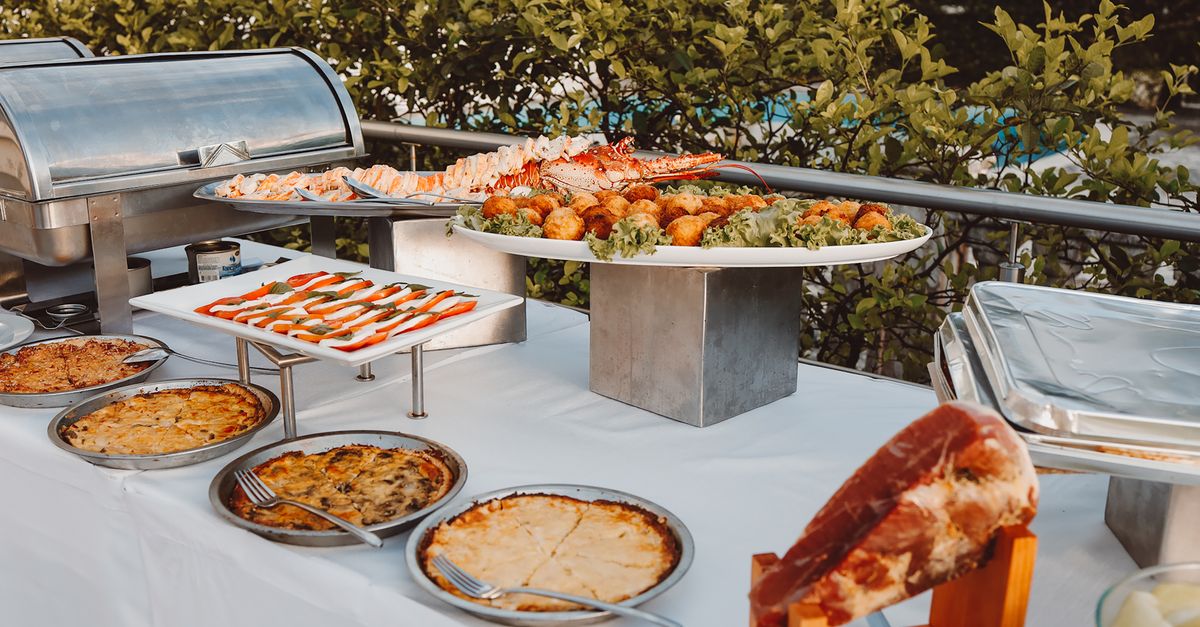
Paleo-Inspired Spanish Selections for Events
Table Of Contents
Beverage Pairings for Events
Selecting the right beverages can elevate the dining experience at any event. For a paleo-inspired menu, consider offering an array of organic wines, particularly those that are minimally processed. Natural red wines, derived from grapes grown without synthetic fertilizers or pesticides, can complement savoury dishes beautifully. For guests preferring non-alcoholic options, refreshing herbal teas or infused water with seasonal fruits provide a vibrant touch while keeping the menu in line with paleo principles.
In addition to wines and teas, sparkling water serves as a versatile accompaniment suitable for various dishes. Its crispness can enhance the flavours of grilled meats or roasted vegetables. For special occasions, consider crafting a signature cocktail using fresh, paleo-friendly ingredients like muddled herbs or citrus zest. This not only aligns with the health-conscious theme of the event but also adds an element of creativity and excitement to the beverage offerings.
Choosing Natural and Organic Options
Incorporating natural and organic ingredients into your event menu ensures that offerings are not only delicious but also align with the principles of a Paleo lifestyle. Fresh produce, free of pesticides and chemicals, brings vibrant flavours and textures that highlight traditional Spanish dishes. Sourcing local farmers’ markets or organic suppliers can provide high-quality options. This commitment to wholesome ingredients can elevate the overall dining experience, appealing to health-conscious guests.
Using organic meats and seafood further enhances the authenticity and depth of flavour in your dishes. Selecting free-range and grass-fed options, for example, contributes to ethical sourcing while complementing the natural essence of the meal. Keeping everything as pure as possible supports the integrity of a Paleo menu and allows guests to indulge without compromising their dietary preferences. Ensuring that all choices reflect this organic philosophy will resonate with attendees, creating a memorable culinary experience.
Satisfying Paleo Desserts
In the realm of desserts, finding alternatives that align with paleo principles can be a delightful challenge. Popular traditional Spanish sweets often rely on flour and refined sugars, but there are numerous creative ways to indulge without compromising dietary preferences. For instance, almond flour can serve as an excellent base for baked goods, offering a nutty flavour and satisfying texture reminiscent of classic treats. Natural sweeteners like honey or dates can enhance the overall sweetness, providing a wholesome alternative to processed sugars.
Fruit also plays a key role in crafting paleo desserts. Utilising seasonal fruits like figs or oranges can add both flavour and nutritional value. Combining these fruits with coconut cream or homemade nut butters creates a rich, satisfying experience that evokes the essence of traditional Spanish flavours. These adaptations ensure that guests can savour delicious desserts while adhering to a paleo lifestyle, proving that satisfying treats can be both enjoyable and aligned with dietary choices.
Traditional Spanish Sweets Reimagined
Restructuring classic Spanish desserts to align with paleo principles invites both creativity and authenticity. Flan, a beloved custard, can be transformed using coconut milk and honey, providing a rich texture without the traditional dairy and refined sugars. Churros can be reimagined using almond flour, which offers a nutty flavour and delightful crunch. Dipping sauces can incorporate raw cacao for a wholesome yet indulgent experience.
Traditional postres like tarta de Santiago can also take on a new identity. Instead of wheat flour, ground almonds serve as a suitable substitute, embracing the nut-centric base that is characteristic of many Spanish dishes. Incorporating seasonal fruits adds a fresh touch while maintaining the essence of these beloved treats. The result is a range of desserts that honour Spanish culture while adhering to paleo dietary choices.
Planning a Paleo Menu
When curating a menu that aligns with Paleo principles, it’s essential to focus on whole foods while embracing regional flavours. Incorporating fresh vegetables, lean meats, and healthy fats is a great start. Seasonal produce adds brightness and variety to the dishes, offering not just visual appeal but also a broad spectrum of nutrients. Consider utilising locally sourced ingredients, as they often yield superior taste and support the community.
Balancing flavours and textures is key when designing your offerings. Aim for a combination of crunchy, creamy, and juicy elements to create an engaging dining experience. Think roasted vegetables paired with grilled meats and vibrant sauces made from fresh herbs and citrus. For sides, a variety of textures can turn simple fare into something special, such as incorporating nut-based dips or salads with seeds for added crunch.
Balancing Flavours and Textures
Creating a well-rounded menu requires careful consideration of flavours and textures. Combining hearty ingredients like grilled meats with fresh vegetables adds a satisfying contrast on the plate. Consider incorporating items such as roasted bell peppers or artichokes alongside tender meats for a delightful mix. The inclusion of olives provides a briny punch, while fresh herbs can elevate the dish with aromatic notes.
Texture plays a crucial role in the overall dining experience. Crunchy elements like almond flour crackers can accompany softer choices like creamy guacamole, providing an appealing mouthfeel. Additionally, serving dishes at varying temperatures adds an intriguing dynamic. Warm roasted vegetables can complement chilled seafood or salads beautifully, making the meal not only delicious but also exciting to navigate. Balancing these elements will ensure that every bite offers a new and enjoyable experience.
FAQS
What are some popular beverage pairings for a Paleo-inspired Spanish event?
For a Paleo-inspired Spanish event, consider offering natural and organic wines, sparkling water, and herbal teas. Look for options that contain no added sugars or preservatives to align with Paleo principles.
How can I choose natural and organic options for my event’s menu?
When selecting menu items, opt for locally sourced, organic ingredients, and avoid processed foods. Look for suppliers who prioritise sustainability and offer natural products free from additives and preservatives.
Are there Paleo-friendly alternatives to traditional Spanish desserts?
Yes, you can create Paleo-friendly versions of traditional Spanish sweets by using almond flour, coconut sugar, and natural sweeteners. Desserts like flan can be reimagined with coconut milk and eggs for a healthier twist.
How can I balance flavours and textures in a Paleo menu?
To achieve a well-balanced Paleo menu, incorporate a variety of ingredients that provide different flavours and textures. Use a mix of roasted vegetables, fresh herbs, nuts, and fruits to create dishes that are both satisfying and enjoyable.
What considerations should I keep in mind when planning a Paleo menu for events?
When planning a Paleo menu, ensure that all ingredients are compliant with Paleo guidelines, focusing on whole foods. Consider dietary restrictions of guests, provide a variety of options, and aim for a mix of flavours and textures to enhance the dining experience.
Related Links
Vegan Spanish Catering for Special CelebrationsSpanish Catering Solutions for Celiac Disease
Vegetarian-Friendly Spanish Catering in Sydney
Allergy-Friendly Spanish Dishes for Corporate Events
Low-Carb Spanish Meal Choices for Catering
Catering to Diabetic Guests with Spanish Dishes
Dairy-Free Spanish Cuisine for Special Diets
Nut-Free Spanish Delights for Your Event
Gluten-Free Spanish Catering Options in Sydney